Build Experience. Build Skills. Build Direction.
How to Become a Sterile Processing Technician Without a Degree (2026 Salary + Steps)
A sterile processing technician can earn around $47,000 a year with no bachelor's degree and under a year of training. Here's the honest breakdown — real BLS salary numbers, what the job is, and exactly how to get started.
POST HIGH SCHOOL PLANNINGCAREER EXPLORATIONCAREER DISCOVERY
Jon & Angela Stoyak
6/16/20262 min read
How to Become a Sterile Processing Technician Without a Degree
(2026 Salary + Steps)
If your teen is weighing what comes after high school and a four-year degree doesn't feel like the right fit, here's a career most families have never heard of — one that pays a solid middle-class wage, takes under a year to train for, and is in steady demand at nearly every hospital in the country.
It's called sterile processing, and it's exactly the kind of path we love to put on parents' radar: real money, real stability, no bachelor's degree required.
What Does a Sterile Processing Technician Actually Do?
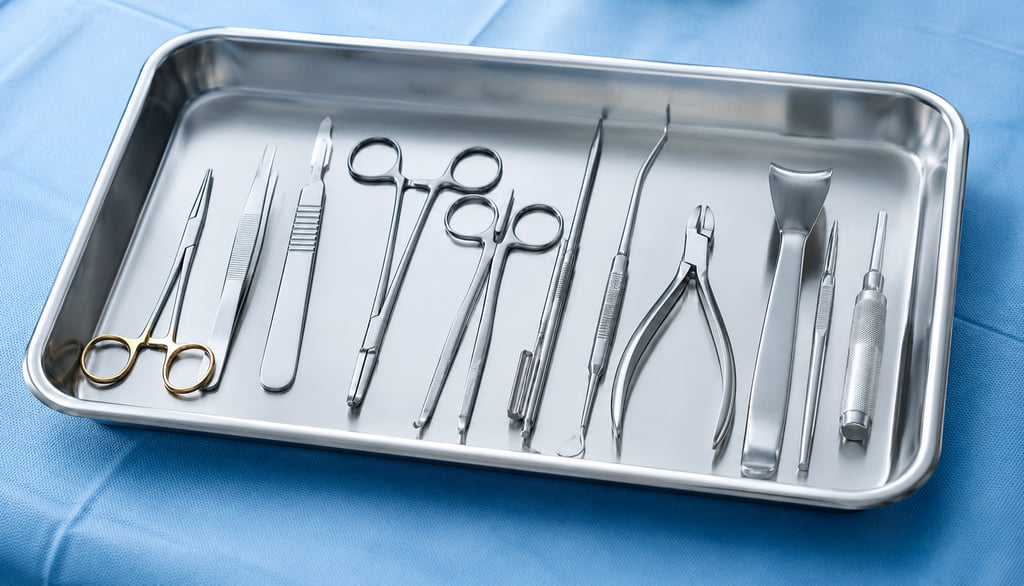
Sterile processing technicians (sometimes called central sterile techs or medical equipment preparers) are the people who clean, inspect, assemble, and sterilize the surgical instruments and equipment used in operating rooms and clinics. Every time a surgeon picks up a perfectly sterile tool, a sterile processing tech made that possible.
It's detail-oriented, behind-the-scenes work that directly protects patients from infection. For someone who's responsible, methodical, and wants to work in healthcare without spending years in school, it's a genuinely great fit.
How Much Does a Sterile Processing Technician Make?
Here's where we keep it honest — no inflated numbers.
According to the U.S. Bureau of Labor Statistics (May 2024 data), medical equipment preparers earn an average of about $47,710 per year, or roughly $22.79 an hour. Entry-level positions start lower, around $34,000, while experienced techs and those in high-paying states earn well over $60,000. In California, the average is around $64,820.
Pay varies by state, experience, and certification — but the takeaway is simple: this is a career that supports a real, stable life, and you can enter it in under a year.
How to Become One (The Actual Steps)
Complete a training program. Most sterile processing programs take about 4 to 12 months. Many are offered through community colleges, vocational schools, or online programs — often for a fraction of the cost of a college semester.
Get hands-on experience. Most certifications require a set number of supervised hours in a real sterile processing department.
Pass a national certification exam. The two main credentials are the CRCST (from HSPA) and the CSPDT. Certification isn't legally required in every state, but it dramatically improves your hiring odds and your pay.
Apply at hospitals and surgical centers. Demand is steady and nationwide — every hospital needs sterile processing.
Is It Worth It?
For the right person, absolutely. You're looking at under a year of training, no student-loan-sized debt, a real healthcare career, and a wage that climbs with experience and certifications. It's a perfect example of the kind of path that gets overlooked simply because no one talks about it.
This is exactly why we built the Cut River Farm guides — to put real, specific, well-paying options like this in front of families before graduation, so your teen can make an informed choice instead of defaulting to the only path they've heard of.
Want more careers like this — specific paths, real salaries, and how to start?
walks your family through dozens of options and how to choose.
See our full list of [high-paying jobs without a 4-year degree
15 Highest-Paying Jobs Without a 4-Year Degree (2026 Salaries) | Cut River Farm