Build Experience. Build Skills. Build Direction.
Why More Families Are Rethinking the Traditional College Path
Many families are questioning whether the traditional college path is the best first step after high school. Rising tuition costs, student debt, and changing career opportunities are leading parents to explore real-world experience, gap-style programs, and alternative paths. This article explores why more families are rethinking the traditional college route and what options young adults have to build independence, skills, and direction after graduation.
POST HIGH SCHOOL PLANNING
Angela & Jon | Cut River Farm
3/11/20264 min read

Why More Families Are Rethinking the Traditional College Path
For decades, the message to high school students was simple: graduate, go to college, get a degree, and build a career. For many families, that path felt like the only responsible option.
But today, more parents and young adults are beginning to ask a different question:
Is the traditional college path always the best first step after high school?
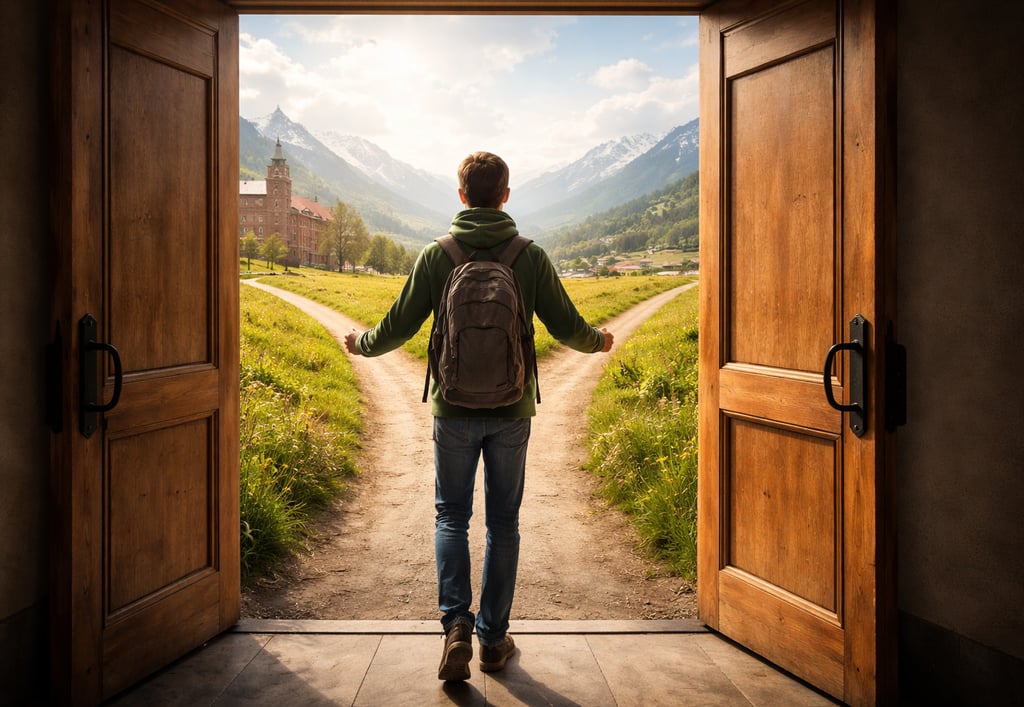
Across the country, families are reconsidering what the transition into adulthood should look like. Rising college costs, changing job markets, and the growing value of real-world experience are leading many to explore alternatives that better prepare young adults for independence and work.
This doesn’t mean college has lost its value. For many careers, it remains essential. But more families are recognizing that college does not always need to be the immediate next step after graduation.
Instead, many young adults benefit from gaining real-world experience first.
Rising College Costs Are Causing Families to Pause
One of the biggest reasons families are reconsidering the traditional path is the cost of higher education.
Over the past few decades, college tuition has increased dramatically. Many students graduate with significant debt before they have even entered the workforce.
Parents are increasingly asking:
Is it worth taking on large student loans at age 18?
Is my child truly ready to commit to a major and career path?
Would real-world experience help them make a better decision?
For some students, jumping straight into a four-year degree without clear direction can lead to changing majors, transferring schools, or leaving college altogether. Each change often adds more time and more cost.
Taking time to explore real-world opportunities can help young adults gain clarity before making a major financial commitment.
Employers Are Looking for More Than a Degree
Another reason families are reconsidering the traditional path is the growing emphasis on practical skills and real-world experience.
Many employers say they are looking for young workers who can demonstrate skills like:
Communication
Problem solving
Adaptability
Teamwork
Initiative
Time management
These are often called “soft skills,” but they are critical in nearly every workplace.
While classrooms provide valuable knowledge, many of these skills are best developed through real-world experiences such as jobs, travel, internships, and hands-on learning environments.
A young adult who has worked with customers, managed responsibilities, and solved real problems often enters the workforce with confidence that cannot be taught in a lecture hall.
Real-World Experience Can Build Independence
The years immediately after high school are a powerful time for growth.
Young adults who take on new environments and responsibilities often gain skills that shape their future careers and lives. Experiences such as seasonal work, structured programs, and travel opportunities can help young adults develop:
confidence
responsibility
financial awareness
communication skills
resilience
Parents often notice that when young adults return from these experiences, they come back more mature, motivated, and prepared for their next step.
Sometimes the best preparation for adulthood is simply living it for a while.
Alternatives Families Are Exploring After High School
As families rethink the traditional timeline, they are discovering a variety of opportunities that allow young adults to gain experience before committing to college.
Some popular options include:
Seasonal work programs
National parks, resorts, and outdoor recreation companies often offer jobs that include housing and opportunities to meet people from around the world.
Structured programs like the Disney College Program
These programs combine work experience with independence and skill building.
Travel and cultural experiences
Many young adults participate in international work exchanges, volunteer programs, or language schools.
Apprenticeships and trade exploration
Some students explore skilled trades that offer strong career paths without traditional degrees.
Gap-style years focused on work and exploration
A structured year of work, travel, and skill building can provide clarity and maturity before entering college.
These experiences often help young adults discover what interests them and what type of work they enjoy.
College Can Still Be the Right Path — Just at the Right Time
Rethinking the traditional college path does not mean rejecting higher education.
Instead, many families are realizing that timing matters.
When students attend college with a clearer sense of purpose, they are often more motivated, more focused, and more likely to complete their degree efficiently.
For some students, a year or two of real-world experience can make college feel less like an obligation and more like a strategic investment in their future.
Helping Young Adults Build a Plan
For parents, one of the biggest concerns about alternatives to college is structure.
Without a plan, it can be easy for young adults to drift or lose momentum.
That’s why it’s important to approach this phase intentionally. The goal is not simply delaying college — it’s building real experience and direction.
A structured approach might include:
working a job to build responsibility and savings
exploring travel or seasonal opportunities
developing life skills like budgeting and communication
identifying long-term interests and career paths
With the right guidance, this stage can become an incredibly valuable foundation for adulthood.
A Different Way to Think About the Years After High School
For generations, the path after high school felt narrow and predetermined.
Today, families have more options than ever before.
Some students will go directly to college and thrive. Others may benefit from gaining experience, independence, and perspective before taking that step.
What matters most is not following a single traditional path — but helping young adults build the skills, confidence, and direction they need for adulthood.
If you're looking for a structured way to think through these decisions as a family, our guide The Post-High School Plan walks parents through practical ways to help young adults gain real-world experience, independence, and clarity about their future.
Because sometimes the best preparation for the future isn’t rushing into the next step.
It’s learning how to navigate the road ahead.
Ready for a structured way to help your young adult build independence and real-world experience?