Build Experience. Build Skills. Build Direction.
How to Work in a U.S. National Park (Jobs, Housing & Step-by-Step Guide)
Learn how young adults can live and work in U.S. National Parks. Step-by-step guide covering jobs, housing, and how to get started.
POST HIGH SCHOOL PLANNINGREAL WORLD EXPERIENCE
Cut River Farm
3/19/20262 min read
How to Work in a U.S. National Park (Step-by-Step Guide for Young Adults)
Most young adults (and parents) don’t even know this opportunity exists.
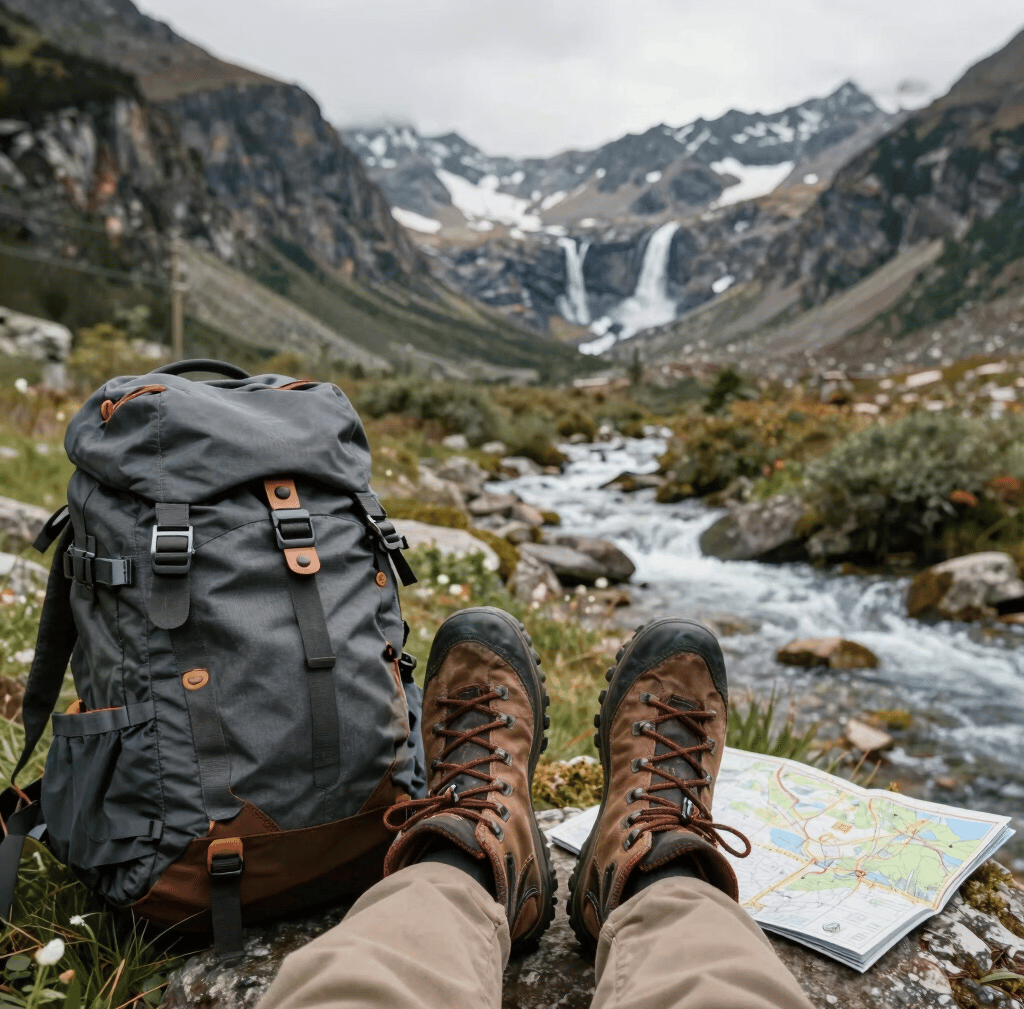
You can actually live and work inside some of the most beautiful places in the country — places like Yellowstone, Yosemite, and Glacier National Park — while gaining real-world experience, meeting people from all over, and building skills that matter.
This isn’t just a summer job.
For many young adults, it becomes one of the most impactful experiences of their life.
What Is the National Park Work Program?
The U.S. National Park work program isn’t a single official program — it’s a network of concession companies and employers that hire seasonal workers inside national parks.
These jobs include:
Lodges and hotels
Restaurants and cafes
Retail shops
Maintenance and operations
Guest services
In other words — these parks run like small communities, and they need people to keep everything moving.
What It’s Actually Like (This Is the Part That Matters)
This is where it becomes more than “just a job.”
When you work in a national park, you’re not commuting from home.
You’re:
Living on-site (often in employee housing)
Surrounded by mountains, lakes, and trails
Spending your free time exploring instead of scrolling
Meeting other young adults doing the same thing
It’s common for workers to:
Go hiking after their shift
Watch sunsets from incredible viewpoints
Build friendships that last well beyond the season
For many, it’s their first real taste of independence — in a structured, safe environment.
Who This Is Perfect For
This path works incredibly well for young adults who are:
Not 100% sure what they want to do yet
Wanting a gap year (or a meaningful summer)
Currently in college but looking for something different
Trying to build confidence and real-world experience
And importantly…
This can happen:
Before college
During college
After college
There’s no “perfect timing” — only the decision to go.
What You Actually Gain From This Experience
This is where parents start to see the real value.
Working in a national park helps young adults build:
Independence
Living away from home, managing schedules, showing up to work — it’s real responsibility.
Confidence
New environment, new people, new challenges.
Communication Skills
Working with coworkers and guests every day.
Direction
Many young adults come out of this experience with a much clearer sense of what they want (or don’t want) to do next.
This is the kind of growth that’s hard to get from a classroom alone.
How to Get Started (Simple Breakdown)
Here’s the basic process:
Choose a park you’re interested in
Apply through concession companies (each park has different employers)
Interview and accept a position
Prepare for housing, travel, and the season
That’s the simple version.
But here’s the truth:
👉 Most people get stuck here
Because:
They don’t know where to apply
They don’t know what jobs to choose
They don’t understand housing, timing, or logistics
If You Want the Full Breakdown…
We put together a complete guide that walks through:
Where to apply (by park)
Which jobs to look for
What housing is actually like
What to expect day-to-day
Tips to get hired faster
How to make the most of the experience
👉 Check out the full National Park Work Program Guide here
Final Thought
There’s nothing wrong with college.
But for many young adults, what’s missing isn’t more information…
It’s real-world experience.
Working in a national park is one of the most accessible, affordable, and impactful ways to get it.
And most people don’t even know it exists.
Build Experience. Build Skills. Build Direction.